
While exploring what colors make green, I became entranced by the many different shades of green color — and their fabulous names — that exist. What a versatile hue!
As both an artist and a teacher who loves illustrating and playing with language, I set out with gusto to compile the options — from glorious viridian color to the ever-useful teal green. Let’s see the list…
Shades of Green
There are so many different shades of green, and their names and uses are wonderful. Let's explore some of the varied versions of this versitile and nature-loving hue.


Teal Green
Swirl together green with blue, and what results is teal green: the bluish-green powerhouse that can spice up your fashion, decor, and design with a welcoming shade that is exciting without being overly jarring.
Chartreuse Green
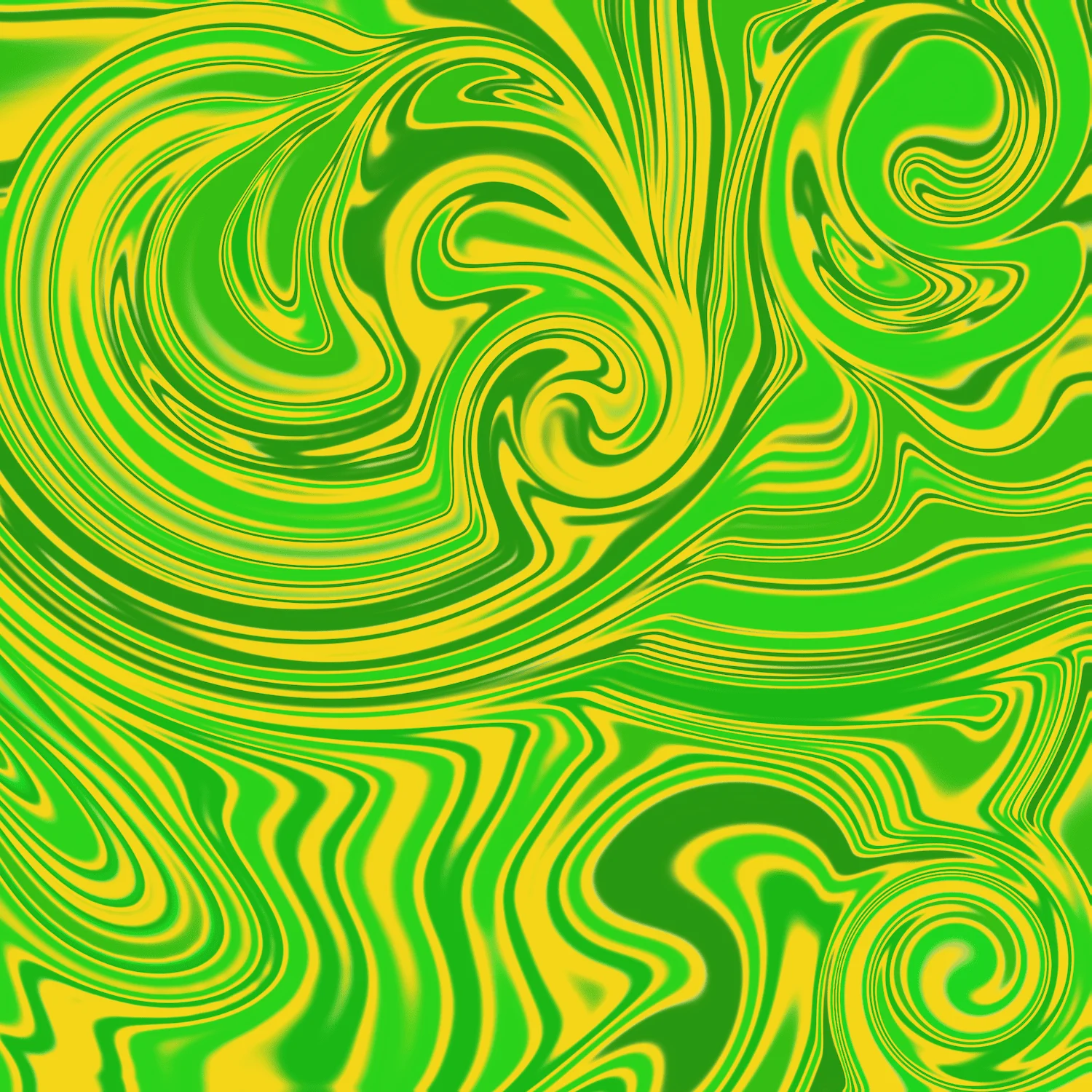
Ready for a shocking neon color? The intermediate color called chartreuse is made by combining classic secondary green with the color next to it on the color wheel: yellow. It's bright, bold, and in your face!


Forest Green
Craving a more natural vibe? Earthy forest green is created by combining brown with green. The result is a rich, dark shade that looks far more green than brown, and can be used anywhere you want to evoke the leafy splendour of trees.

Mint Green
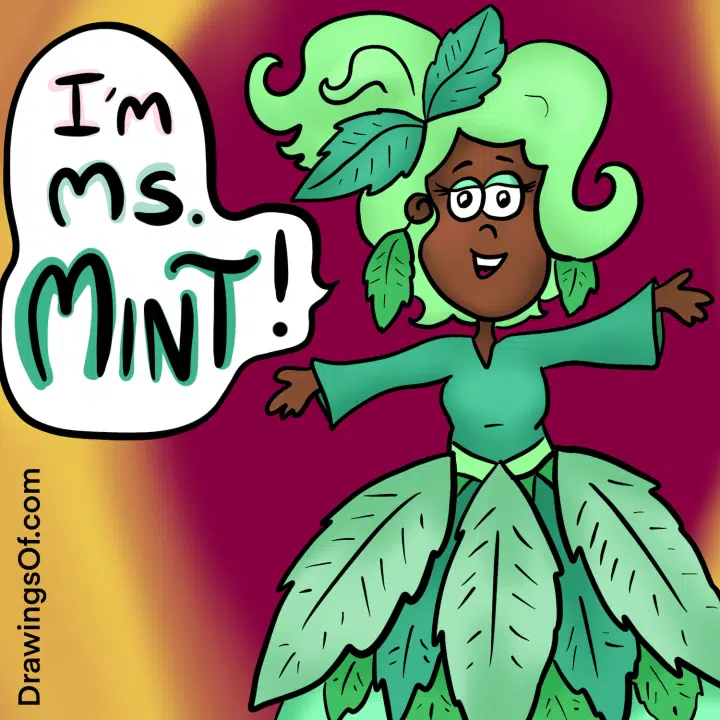
Looking for something fresh and and light? Swirling white with green lightens it into a pastel hue known as mint green. This spring-like shade is happy and airy without being overly bright.
Olive Green
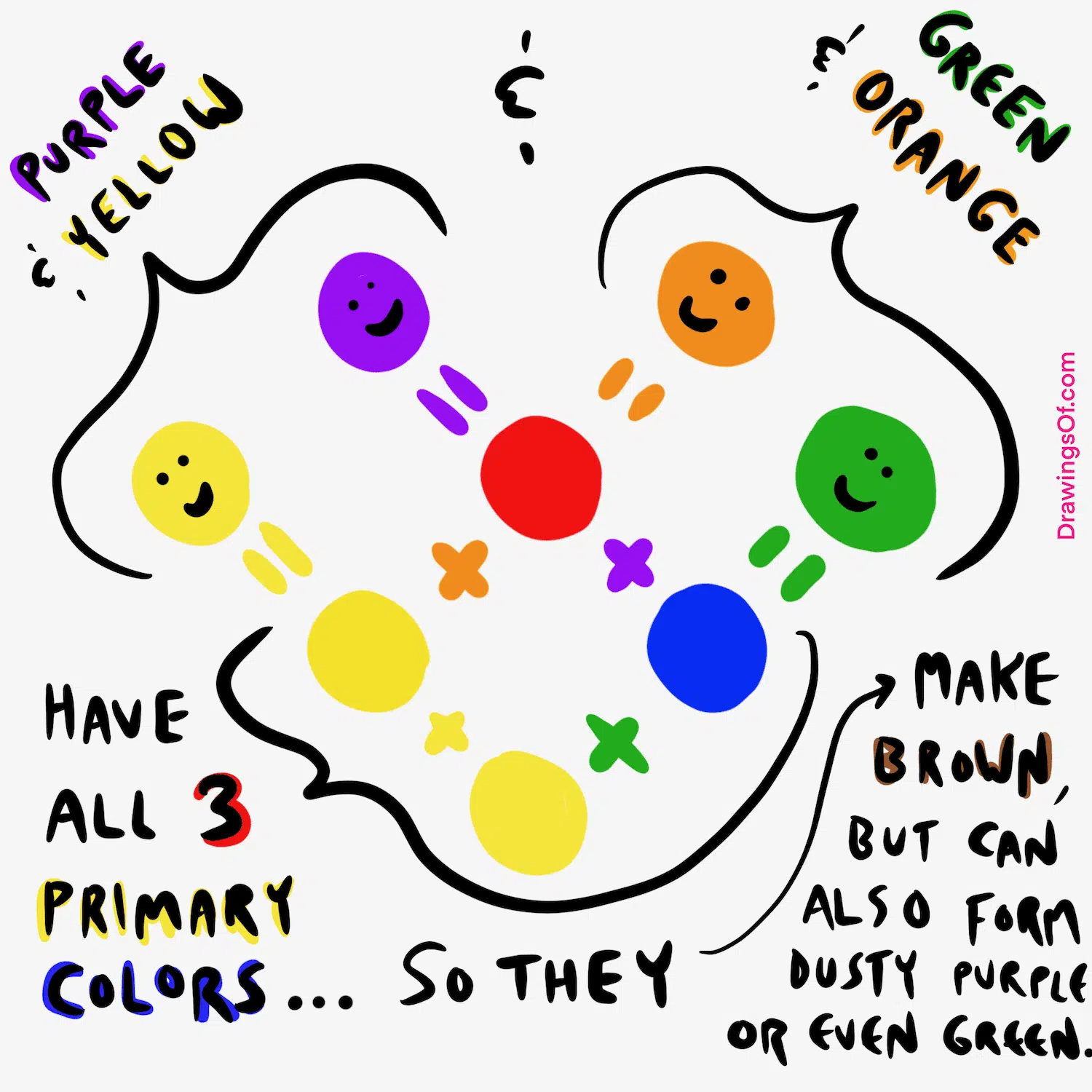
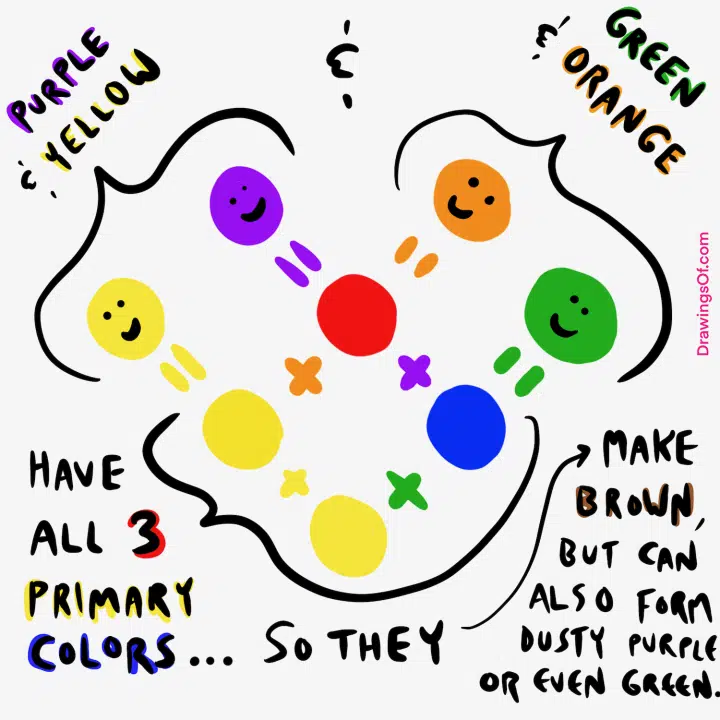
When you swirl together orange and green, you get a muddy, dull version of green called "olive" -- which looks just like the food it's named for.
Classic Secondary Green
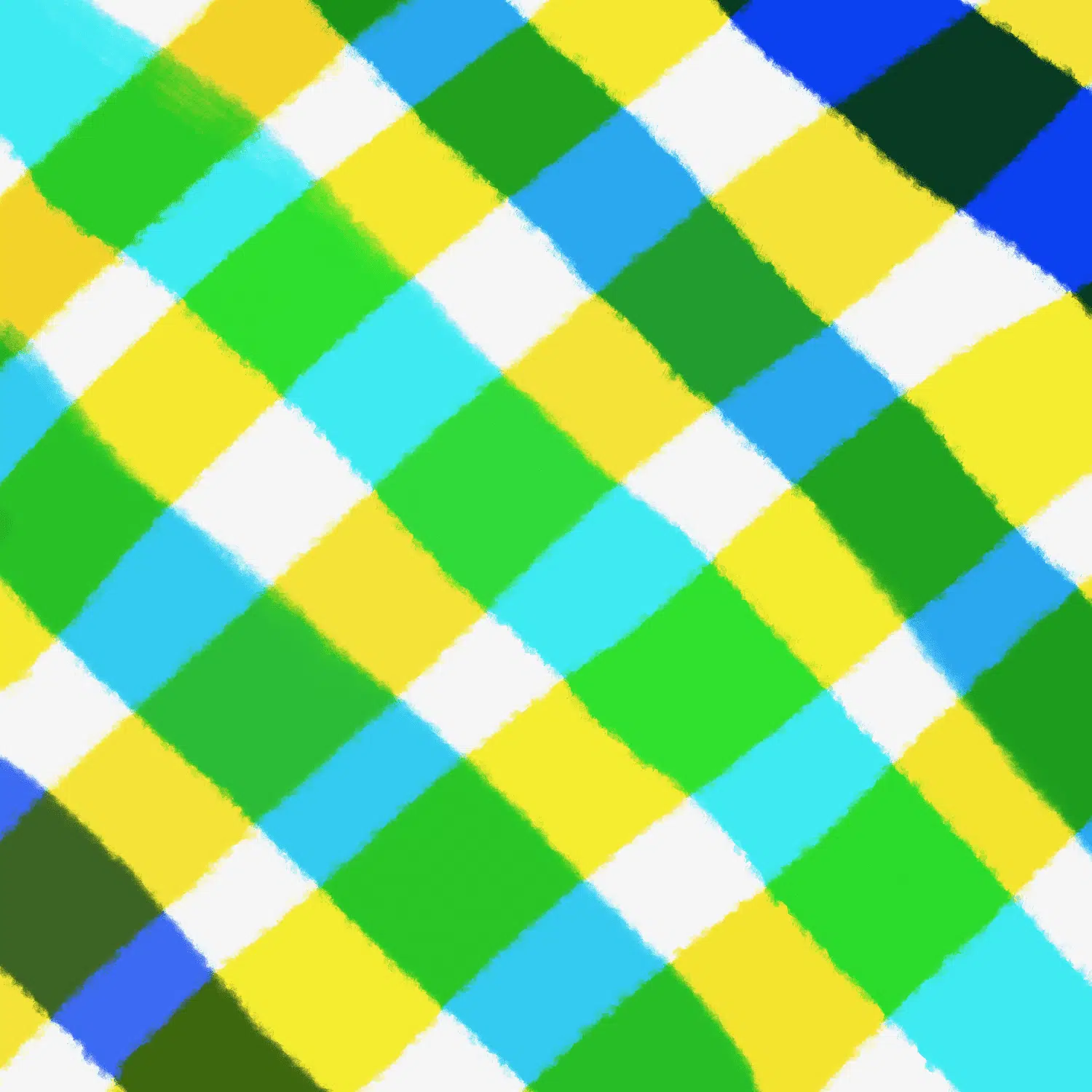
When we think of the pure secondary color called green, that's achieved by mixing blue plus yellow -- but if you change around the version of those ingredient colors you use, you can get anything from lime green to hunter green.
Dark Green
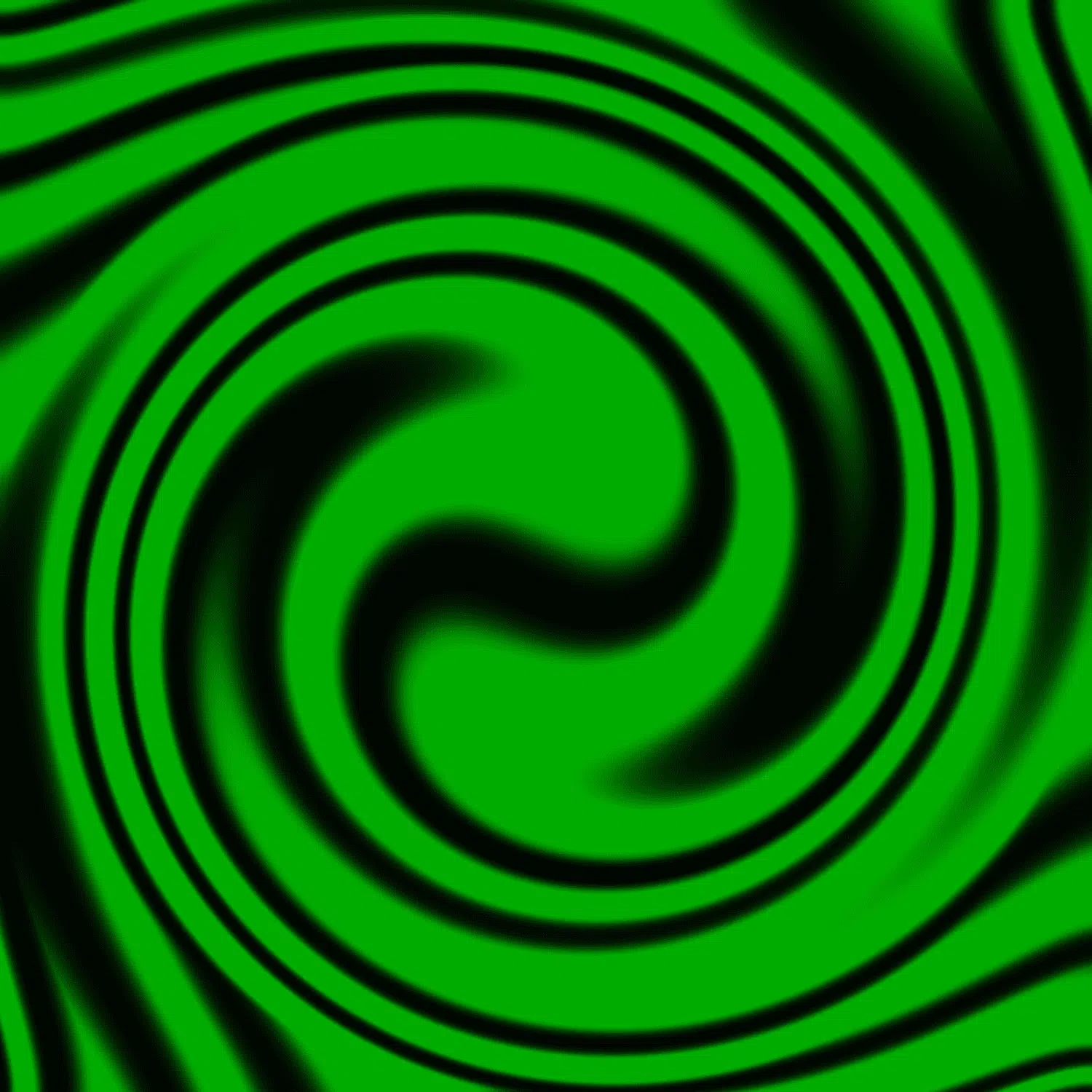
Looking for much darker shades of green? All you need to do is add in black to deepen it. You can even go wild with the darkness and get all the way to "midnight green!"

Viridian Green
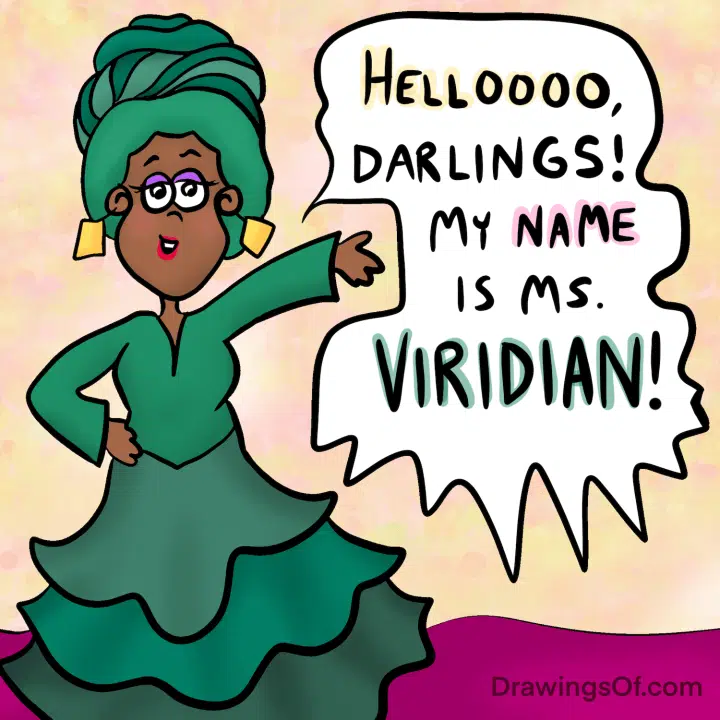
One of my all-time favorite colors in the world is called viridian green, and is created by adding a dash of desaturated blue, and incorporating a smidge of black to darken. This color is excellent for nature, as well as fashion.
Gray Olive
Want to hear something wild? It turns out that when you combine yellow with black, it results in a very dusty olive green! This gets us into the world of greens that are closer to gray.
Different Shades of Green
I hope you enjoyed this list! Which on it is your favorite? Do you favor the more gentle pastel of mint green color made by adding white, or do you yearn for the rich, dark depth of forest or hunter green which we get by mixing in black or brown?

Dusty Versus Clear
A quick note here about color theory. Because the opposite of green in the RYB wheel model is red, we create more clear, bold shades when we make sure there’s no red combined with the green — and more dusty, neutral brown and gray shades when there is.
For example, the intermediate colors (also called tertiary colors) teal and chartreuse have zero red in them, and thus are bright and clear. In contrast, olive green is dusty brownish because it’s made by adding orange, which is red plus yellow.
Shades of Green, in Sum
I hope this investigation of one of the best colors in the world has been joyful and of use for your exploits, as has our “Shades of Red” exploration. Where will you be using these different shades of green color?
Perhaps you’ll employ them for fashion, home decor, hair dye, food coloring, or a tree drawing? Do share!
Want more? Check out my hands-on investigation into what colors make purple…

The author and artist, Lillie Marshall, is a National Board Certified Teacher of English who has been a public school educator since 2003, and an experienced Reiki practitioner since 2018. All art on this site is original and hand-drawn by Lillie. She launched DrawingsOf.com Educational Cartoons in 2020, building upon the success of her other sites, AroundTheWorldL.com (established 2009), TeachingTraveling.com (founded 2010), and ReikiColors.com. Subscribe to Lillie’s monthly newsletter, and follow @WorldLillie on social media to stay connected!