
As we have explored our color mixing chart, it has become glaringly clear that there are so many exciting names and shades of pink out there! Let’s investigate some of them.
As background, my name is Lillie, and I’m an artist and teacher who enjoys doing hands-on experiments in swirling pigments together. Recently, we enjoyed frolicking around the different shades of red that exist.

Color Concepts
Before we get into the list, let’s go over some fundamentals. First, the opposite of pink is (in the RYB color model) light green, so any shades we mix that have more green will look more dusty and neutral — like dusty rose.
Meanwhile flashy and bright shades are those that have less green, such as intermediate colors like magenta. Let’s see the list!
Shades of Pink
There are so many wonderful shades of pink out there, each with an exciting name and different opportunities for use. Let's explore some of these colors...


Magenta
Mixing red and purple together creates the intermediate color called magenta, and it's a show-stopper! Bright, powerful, and in-your-face, this color is for making a statement.
Salmon Pink
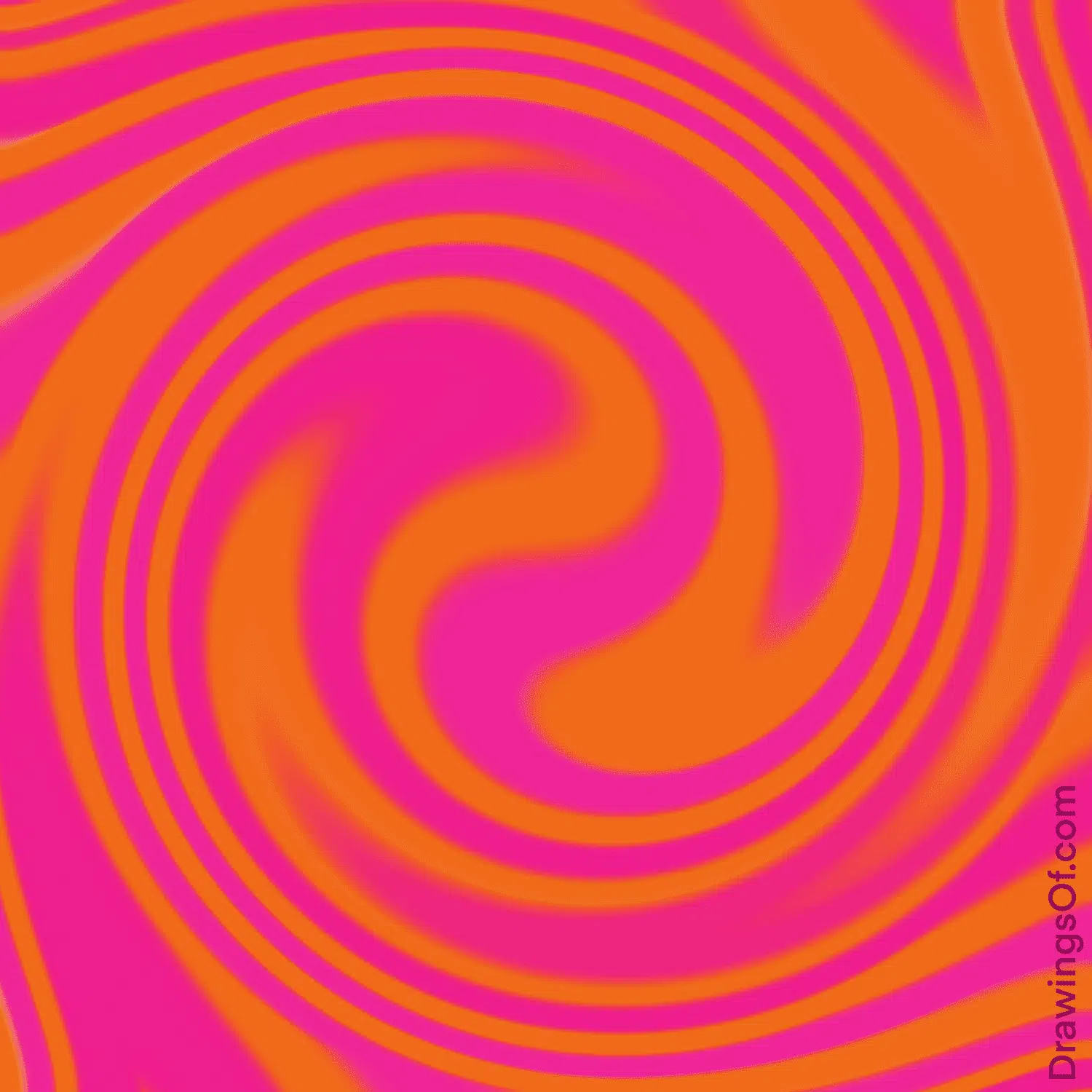
The color called salmon pink is created by adding orange into pink to yield the color of a fresh slice of the pinkish-orange fish. This is a fun accent color.


Orchid
Get the pinkish-purplish mix called orchid (named after the flower) by adding purple to your pink. This has a lighter and more spring-like feel than the heavier magenta.


Classic Pink
Classic pink is made by mixing red with white, and can be darker or lighter, depending on the ratios. This type of pink can look a little more orange than pinks made with more purple and blue.
Peach or Coral Pink
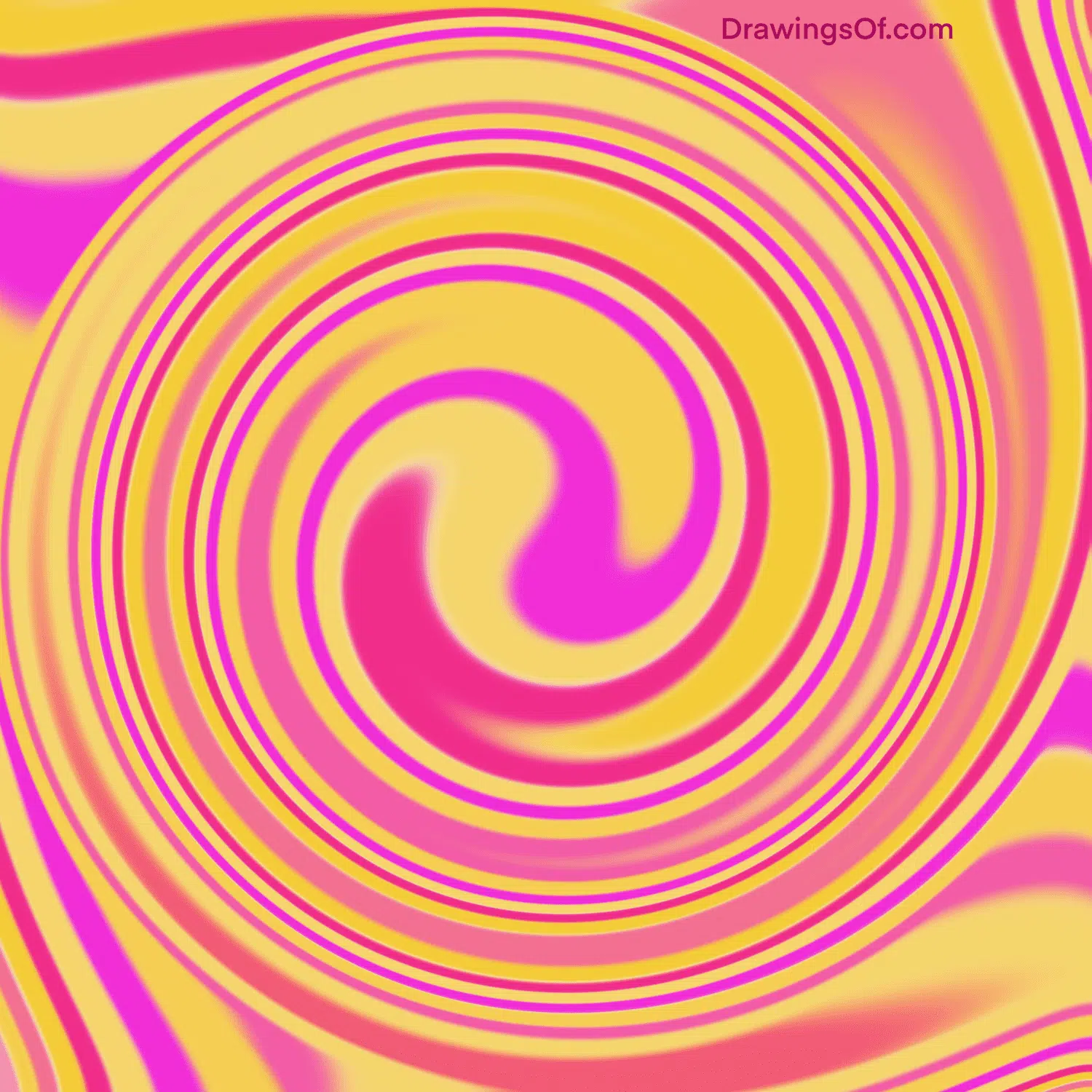
By adding yellow to pink, you get an orange-pink that's lighter than salmon, and is called either peach or coral pink. This is a delightful pastel that goes will with a spring palette.


Dusty Rose
You can get glorious shades of dusty dark pink by adding brown to pink. Click through to see what they look like.
Lilac Pink
Though mixing blue with pink usually makes light purple or lavender, if the ratio has more red in the mix, you can get a heavily purple-toned light pink called lilac pink or lavender pink.

Mauve Pink
The dusty brown pinkish purple known as mauve pink can be formed by mixing orange and purple together. I always associate mauve with old fashioned furniture coverings and curtains, but it's being reclaimed by more modern fashion, too, thanks to its muted yet interesting spice.


Dark Pink
Add black to pink and you'll get progressively darker, more muddy shades of dark pink -- far less flashy than magenta. Speaking of that old friend...

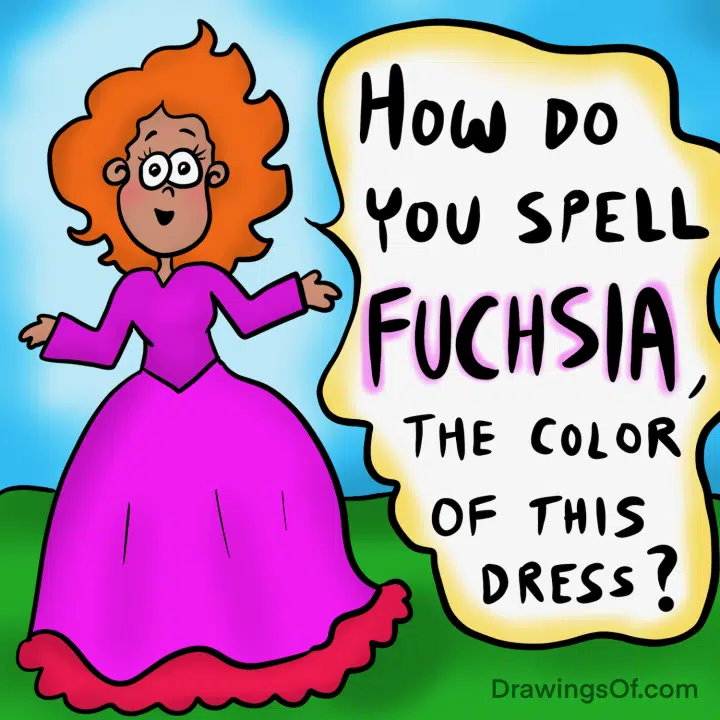
Fuchsia Pink
The shockingly bright color fuchsia pink is very similar to magenta. Click through for what distinguishes it -- plus a trick on how to spell this challenging word.
Warmth and Hex Codes
Which are your favorites here? Mine is the lavender, lilac pink that is the result of what pink and blue make. I find it so relaxing and natural; cheerful, but not in-your-face bright.
As you’re selecting the right shade for your fashion, decor, or design, bear in mind the lesson from “Is Pink a Warm Color?” It can be either warm or cool, depending on how much blue is added.
Of course, this list only scratches the surface. Check out the wild full list of pink hex codes here for use in online and computer design, which uses the RGB color model.
Shades of Pink, in Sum
I hope this run-down of different shades of pink has been illuminating! For more, check out “What Colors Make Pink?”

The author and artist, Lillie Marshall, is a National Board Certified Teacher of English who has been a public school educator since 2003, and an experienced Reiki practitioner since 2018. All art on this site is original and hand-drawn by Lillie. She launched DrawingsOf.com Educational Cartoons in 2020, building upon the success of her other sites, AroundTheWorldL.com (established 2009), TeachingTraveling.com (founded 2010), and ReikiColors.com. Subscribe to Lillie’s monthly newsletter, and follow @WorldLillie on social media to stay connected!