
During our color mixing chart exploits, one question comes up over and over: What colors make blue when mixed together? Is it even possible to make that paint, pigment, ink, or light color from two or three others? Buckle up for a multi-part answer!
As background, my name is Ms. Marshall, and I am an artist and teacher who delights in investigating and answering such questions as, “What colors make purple when mixed together?” I hand-draw each and every illustration on this site and use hands-on methods as well as extensive personal research to produce as accurate and full answers as possible.
Clearly, blue has been on my mind, as I recently wrote about the many different shades of blue out there. On to today’s lesson about how to make blue!


What Colors Make Blue?
The simplest and most common answer to “What colors make blue when mixed together?” is that, in the RYB model, you CANNOT make the pure form of any of the three primary colors — red, yellow, or blue — from mixing other colors. Rather, those primary colors the “building blocks” you mix to form all the OTHER colors. (More on this in “What Colors Make Yellow?”)
The RYB Color Model
For example, in the RYB color model, the primary colors red and blue make purple when mixed together. In this model, the three primary colors (red, yellow, and blue) combine to form orange, green, and purple: the three secondary colors.
(Note: At this point in writing this article, my seven-year-old daughter looked over my shoulder and asked, “If you can’t make primary colors from others, then how is blue paint even created in the first place?” Well, that paint is not made by mixing other colors together, but rather by pigments. Read more about that here.)
Now, just because we can’t form a pure blue by mixing two or three colors together in the RYB system, it doesn’t mean we can’t create different TYPES of blue through combinations. For example, blue and green make a lovely teal blue color when combined. Here are more examples of this…
What Colors Make Blue?
The answer to "What colors make blue?" is more complex than it would seem. In the RYB color model, pure blue cannot be mixed from other colors, but you CAN make different shades of it. Here are examples.

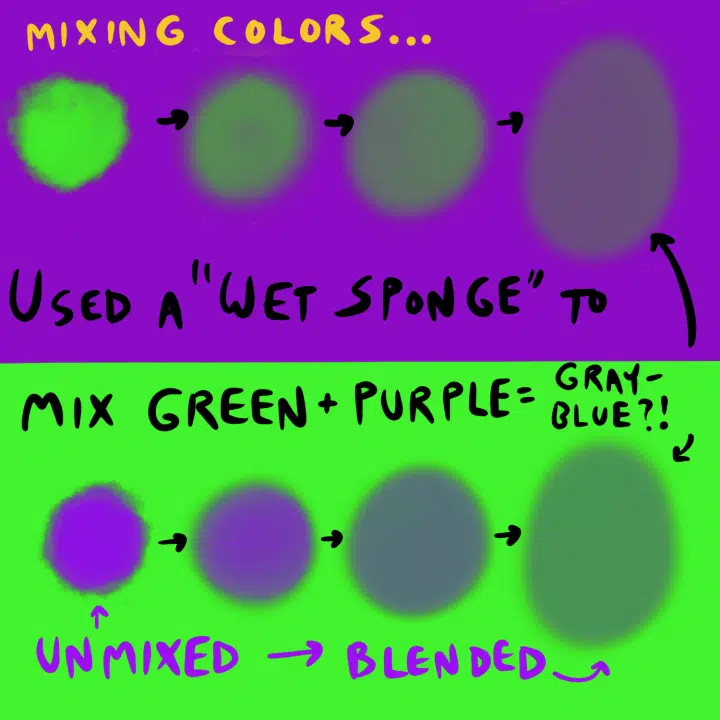
Purple and Green
By mixing the secondary colors, purple and green, you can get a dull grayish-blue called slate blue, which by some definitions is considered a tertiary color.
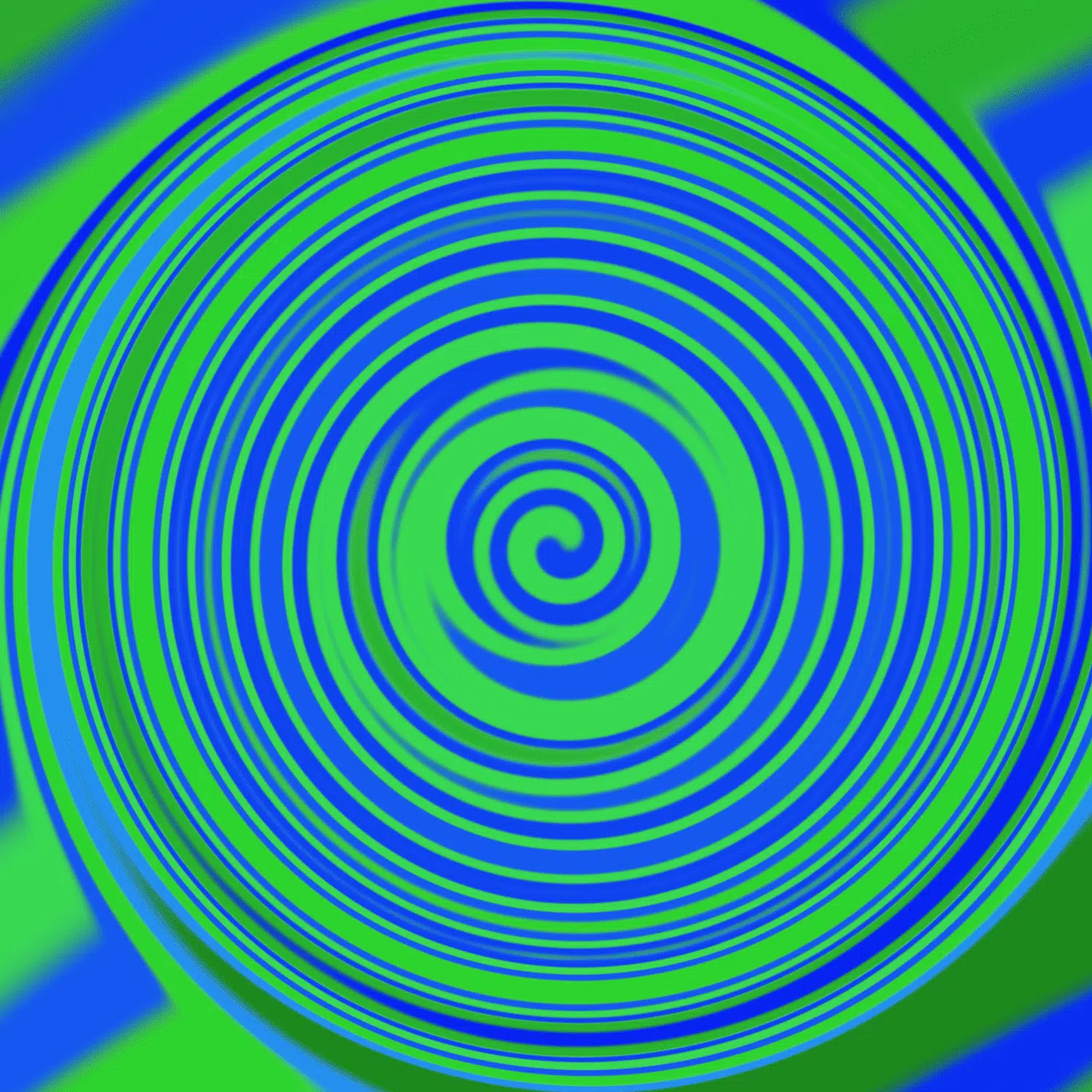
Green and Blue
The delightful intermediate color, teal, is created by adding green and blue together. This is one of my favorite colors to wear in the world of fashion.
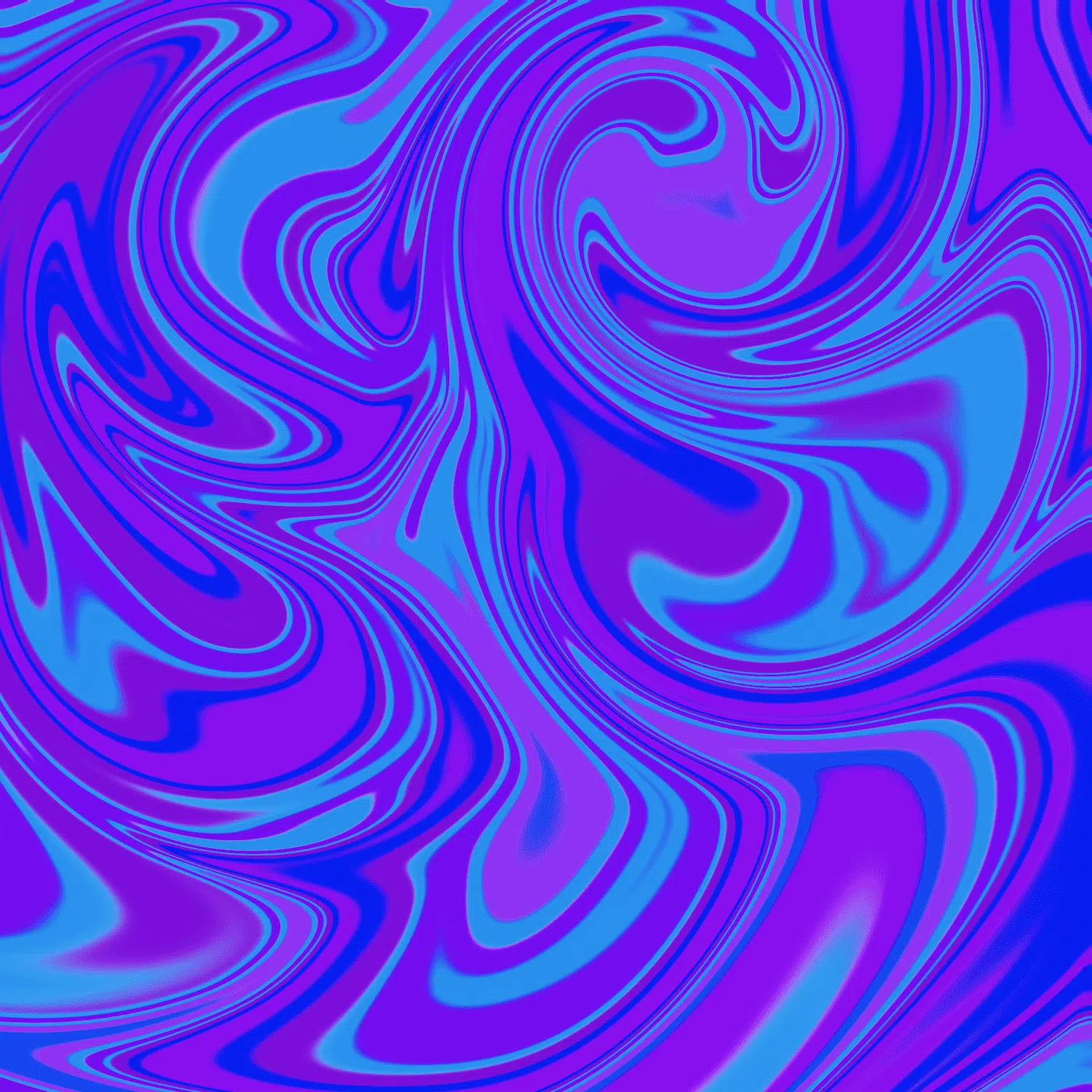

Blue and Purple
Indigo blue can be created by swirling together blue and purple. This is one of my favorite intermediate colors -- also known by some definitions as a tertiary color.
Blue and Yellow
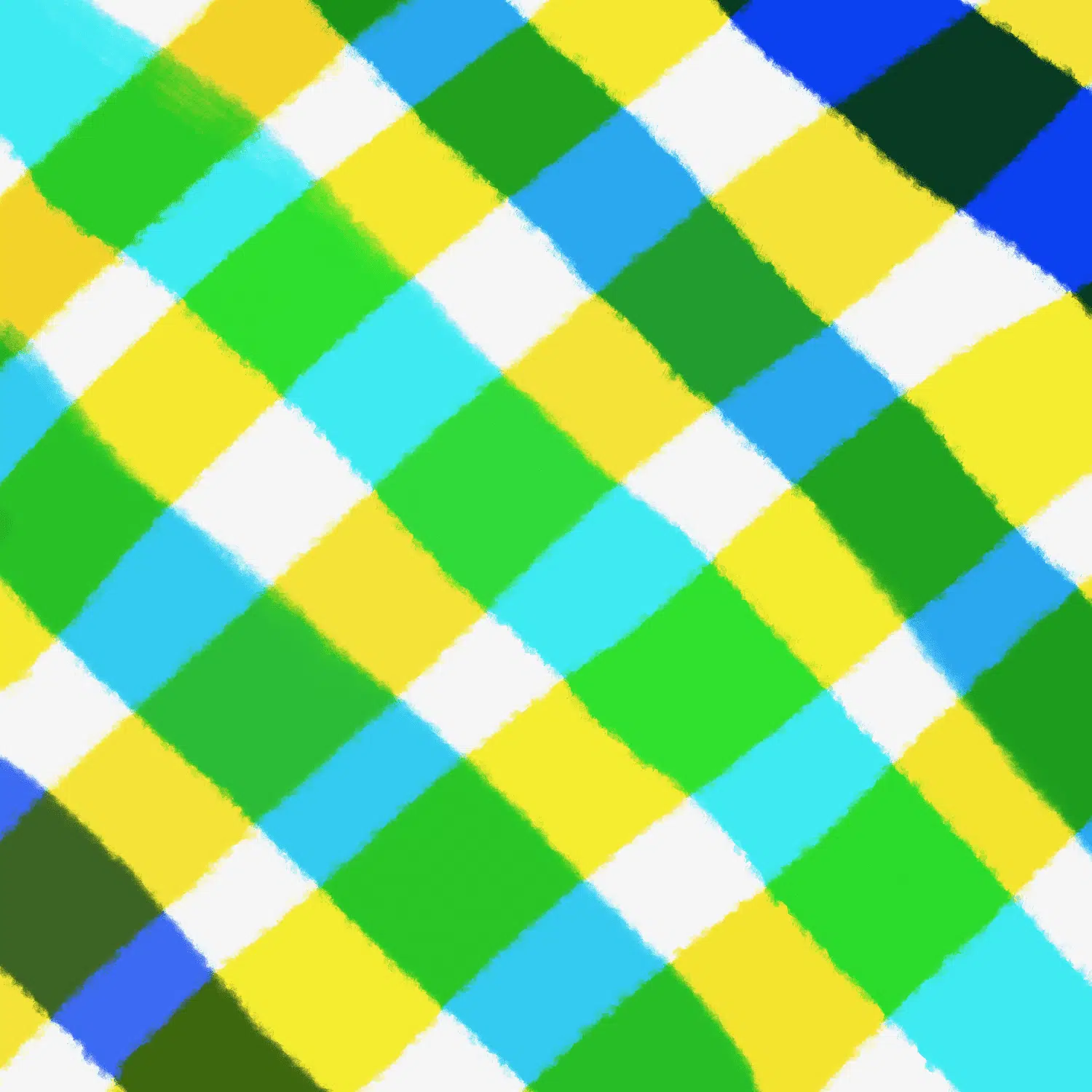
Though classically, blue plus yellow equals the secondary color, green, if you add just a slight dash of yellow you'll get a nice teal blue.
Blue and Brown
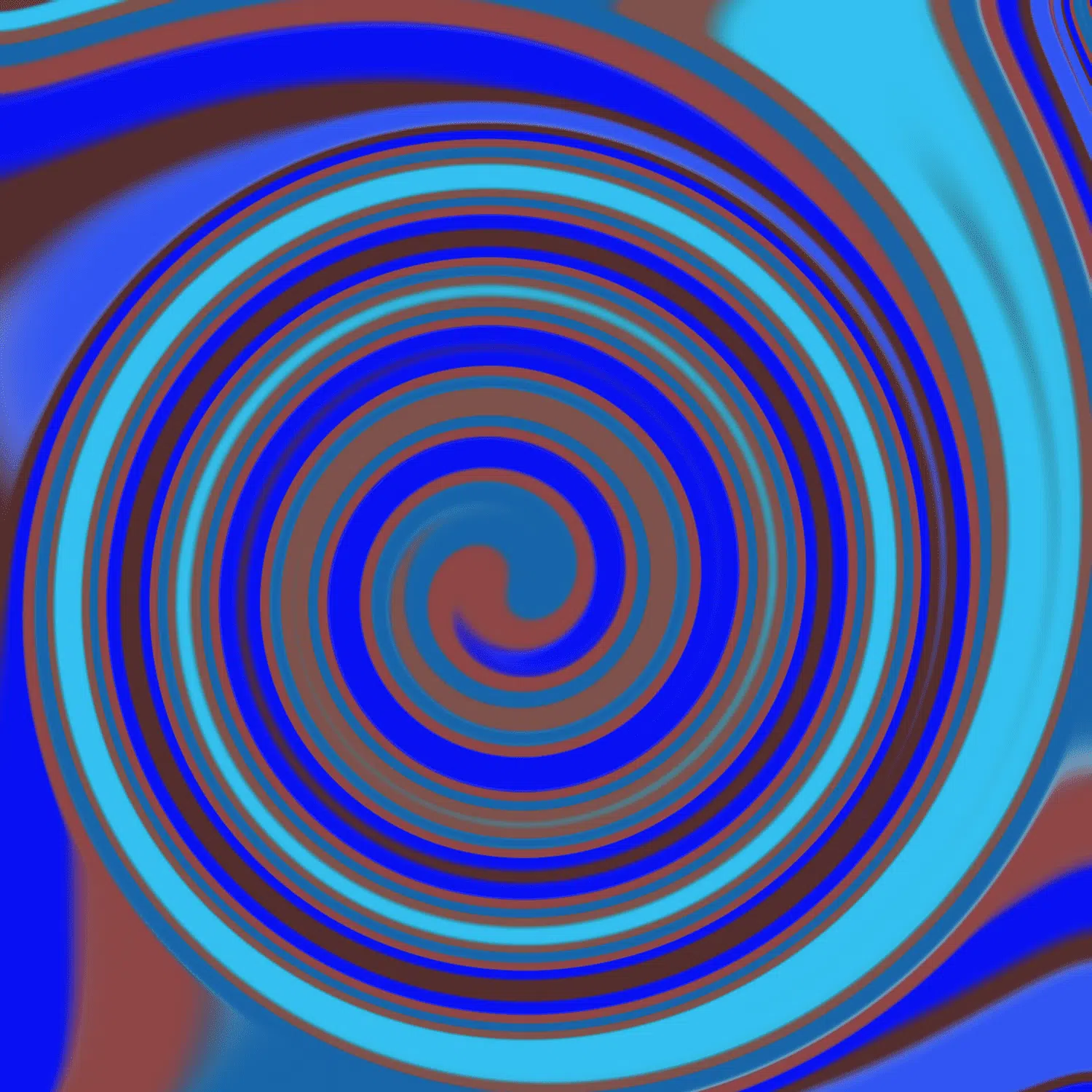
When you combine blue with the neutral color brown (which is made of all three primary colors together), you can get a number of interesting shades of blue, including a dusty brownish blue, and even a muddy teal.
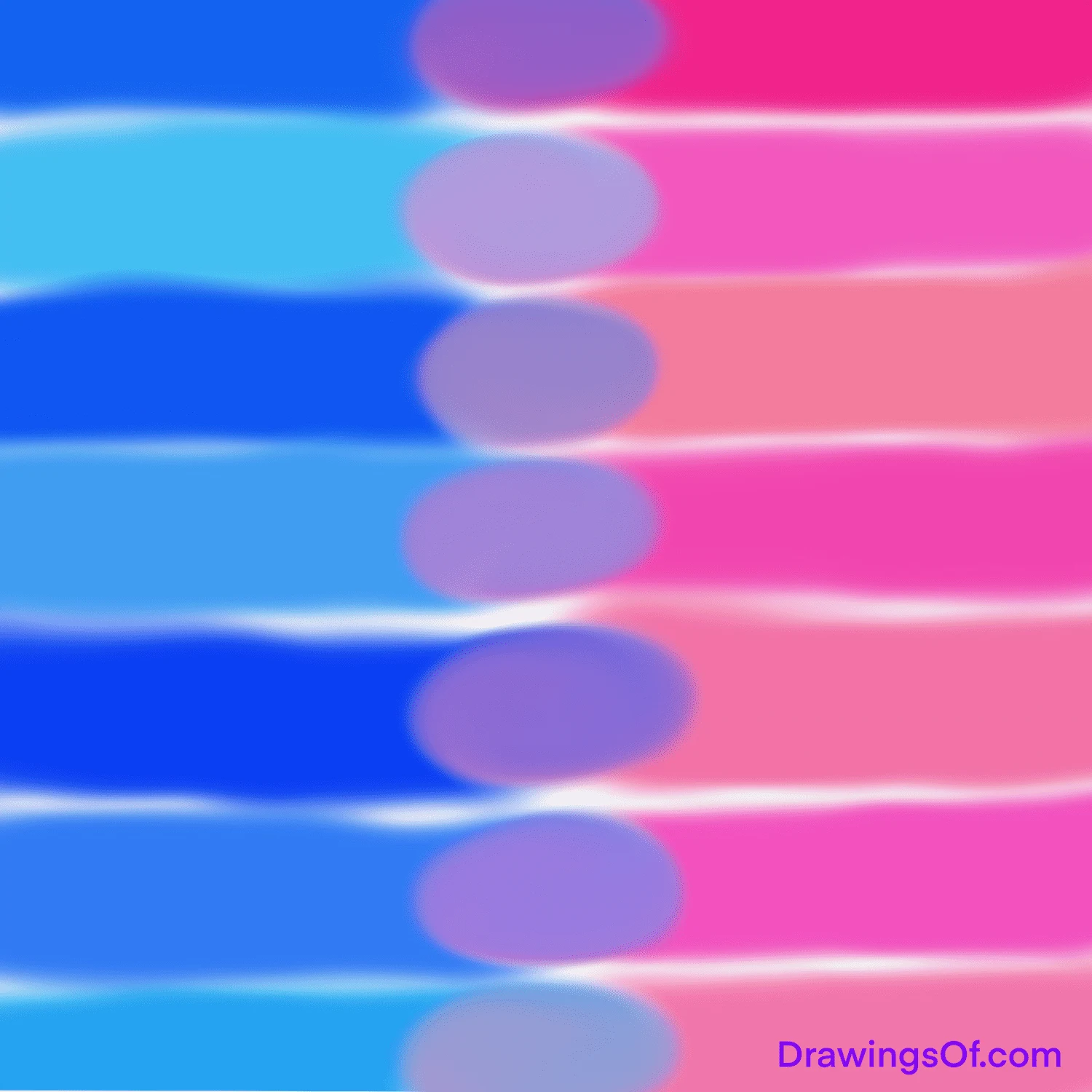
Pink and Blue
Combining a dash of pink with blue can yield a tranquil periwinkle blue. Just don't add too much pink or you'll get more of a purple.

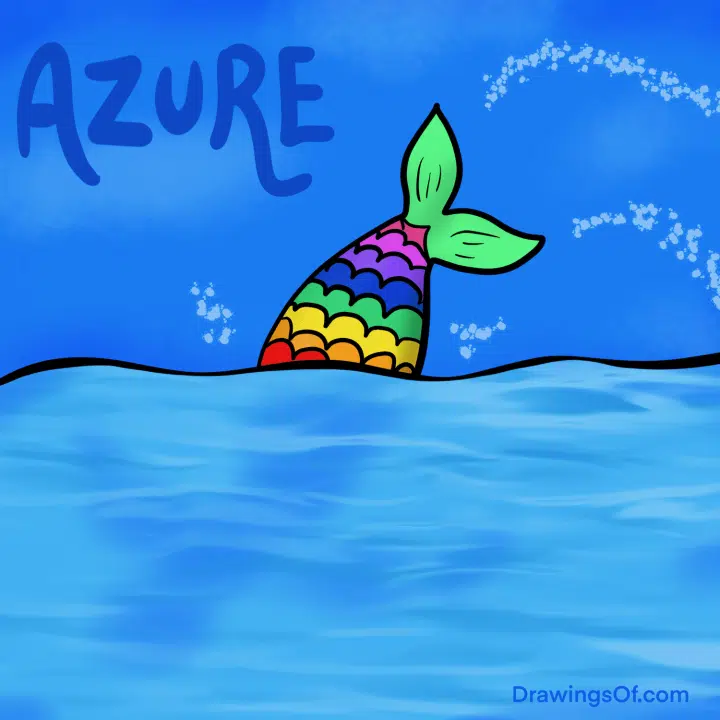
Azure Color
The color of a perfectly clear daytime sky is called azure, and can be created by adding white to blue, plus a dash of yellow or green.

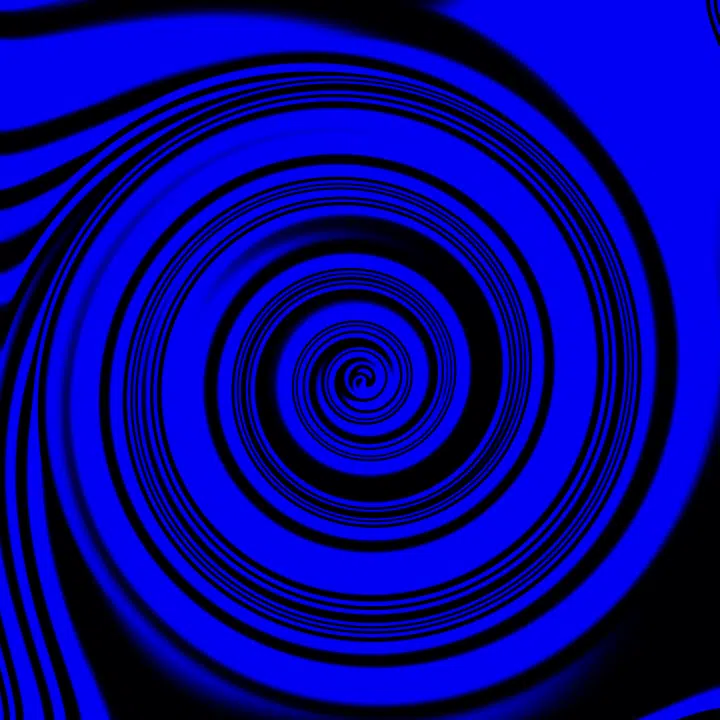
Midnight Blue and Navy
To make the deep, dark colors called midnight blue or navy, add black to our primary friend.
How to Make Blue in Non-RYB Models
Thus far we’ve been exploring the RYB color model used in paint and pigments — but what about the RGB model used in screens and light, or the CMYK model used in printing? In fact, as we saw in our complementary colors lessons, we get very different answers to our query when we use those non-RYB contexts.
The CMYK Answer
In the CMYK color model used in printing, the two colors that make blue when combined are actually magenta plus cyan! (Magenta is what red and purple make in the RYB model, and cyan looks like a light blue-green.)
The Answer in RGB for How to Make Blue
In the RGB used in light and screens, the primary colors are red, green, and blue, so there’s a similar answer as RYB for how to make blue: The primary colors cannot be made from other colors. In RGB, pure blue is the hex code #0000FF, which is 0% Red, 0% Green, and 100% blue (0, 0, 255). In this color model, the opposite of blue is yellow.
As with RYB, you CAN form different TYPES of blue by mixing other colors. For example, in RGB, cyan (a light, greenish blue and the opposite of pink magenta) can be made by mixing pure blue with green.
What Colors Make Blue?
Now you know: The answer to “What colors make blue?” is far more complex than “What colors make green?” Did you find it surprising? What color mixing quandaries would you like me to investigate and illustrate next? Do share!
Want more? Check out “What Colors make Orange?” and my investigation of the mysterious and multi-definition term, “Tertiary Colors.”
Want a deep dive into this shade that’s in a totally different realm? Browse my exploration of a blue aura meaning in chakra balancing and energy work!

The author and artist, Lillie Marshall, is a National Board Certified Teacher of English who has been a public school educator since 2003, and an experienced Reiki practitioner since 2018. All art on this site is original and hand-drawn by Lillie. She launched DrawingsOf.com Educational Cartoons in 2020, building upon the success of her other sites, AroundTheWorldL.com (established 2009), TeachingTraveling.com (founded 2010), and ReikiColors.com. Subscribe to Lillie’s monthly newsletter, and follow @WorldLillie on social media to stay connected!